Warranty Repair Denials in Philadelphia, PA
We review denied warranty repairs using service records, dates, and dealer correspondence.
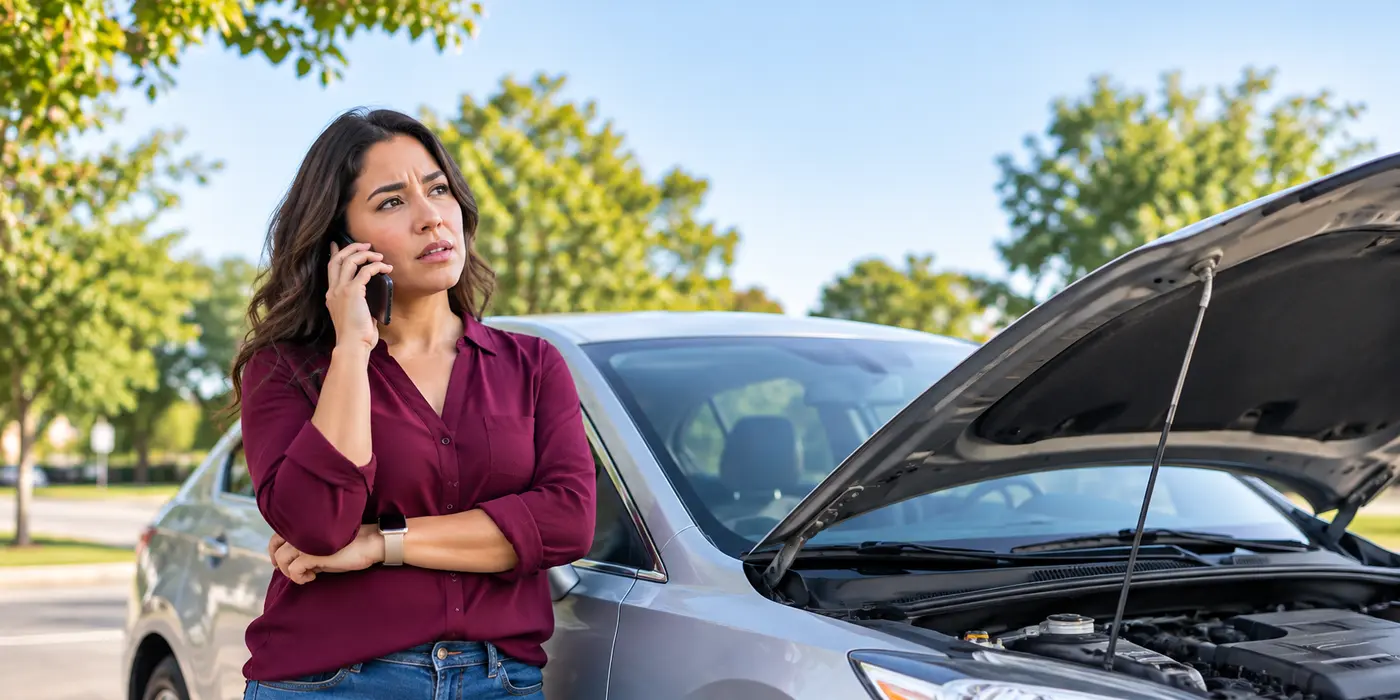
Owners call us after hearing “the warranty won’t cover it,” “they can’t duplicate it,” or “that’s normal” at a service counter. Those words can describe a warranty repair denial, meaning the dealer or manufacturer has declined to authorize work on a vehicle part or system.
At Philadelphia Lemon Law Help, we look at the reason given for the denial alongside the repair order, the reported symptom, and the warranty paperwork. A denial may involve a dashboard warning light, an engine noise, a transmission shift, an electrical screen, or another problem that was brought to the shop.
This is worth looking at now rather than setting aside because repair orders, mileage readings, and the dealer’s stated reason for refusing work are easier to compare while the vehicle condition and correspondence are still clear.
Check engine light and repeat repairs
People often tell us that the check engine light keeps coming back after the shop says it fixed the problem. Others report that the vehicle shakes at highway speed, the transmission jerks or slips, the screen stays black, or the air conditioner stopped blowing cold air and the service department says the repair is not covered.
We also hear that a technician wrote “could not duplicate” on an invoice even though the noise, warning message, or loss of power happened again after pickup. A single phrase at the service counter can cover very different facts, including a claimed wear item, an excluded part, a missed diagnosis, or a concern the dealer did not document fully.
These situations may sound similar from the driveway, but the repair history, the wording on the service record, and the warranty provision can lead to different questions in each file.
Case review and repair records
During a case review, we start with the basic record: whether the vehicle was purchased or leased, what problem was reported, what the dealer said about coverage, and whether the denial was given in writing. The first conversation usually settles those starting facts and identifies which repair visits may matter.
We then gather and read the purchase or lease agreement, repair orders, dates the vehicle went into and out of the shop, warranty materials, and correspondence with the dealer. We compare the complaint written on each repair order with the diagnosis, recommended work, mileage, and any stated reason for denying the repair.
Where records use different descriptions for the same symptom, we place the visits in order and check whether the vehicle returned for a related concern. Paperwork lets us examine the actual service history instead of relying only on a recollection of the counter conversation.
Repair attempts, shop days, warranty dates
The number of repair attempts matters because repeated visits for the same brake warning, steering vibration, engine stall, or electrical fault can show a pattern that one invoice does not. We look closely at whether the shop recorded the same concern each time or treated connected symptoms as separate issues.
Days out of service also matter when the vehicle remained at the dealership for diagnosis, parts, or additional testing. The dates in and out of the shop, along with loaner paperwork or service messages, can help show how long the vehicle was unavailable.
Warranty dates are important because the record should show when the owner first reported the fault and whether the warranty was still running at that visit. We also examine whether the vehicle was bought or leased, whether each concern was written down, and which person or office has the complete repair file. These facts help us assess whether a denied repair deserves a closer review without assuming that every denial has the same answer.
Repair orders and VIN
Keep the repair orders from every dealership visit nearby when you call. They are often in the glove box, a customer portal, an email attachment, or a folder of service invoices, and each one may show the complaint, mileage, technician findings, and the dealer’s coverage decision.
Match the dates on those orders to the days the vehicle stayed at the shop, especially where a part was ordered or further diagnosis was recommended. Find the purchase or lease agreement as well, because it identifies the transaction and may include the vehicle identification number.
The VIN can also be found on the dashboard near the windshield, the registration, and many service invoices. If you have texts, emails, or a denial letter from the dealer, keep those with the repair paperwork. Call Philadelphia Lemon Law Help at (215) 833-1102; waiting can make the dealer’s stated reason for the denial and the sequence of repair visits harder to verify.
Next: motorcycle warranty claims, or back to the home page.