Lemon Law Claims in Philadelphia, PA
We review repeat vehicle defects, repair orders, and shop records for lemon law claims.
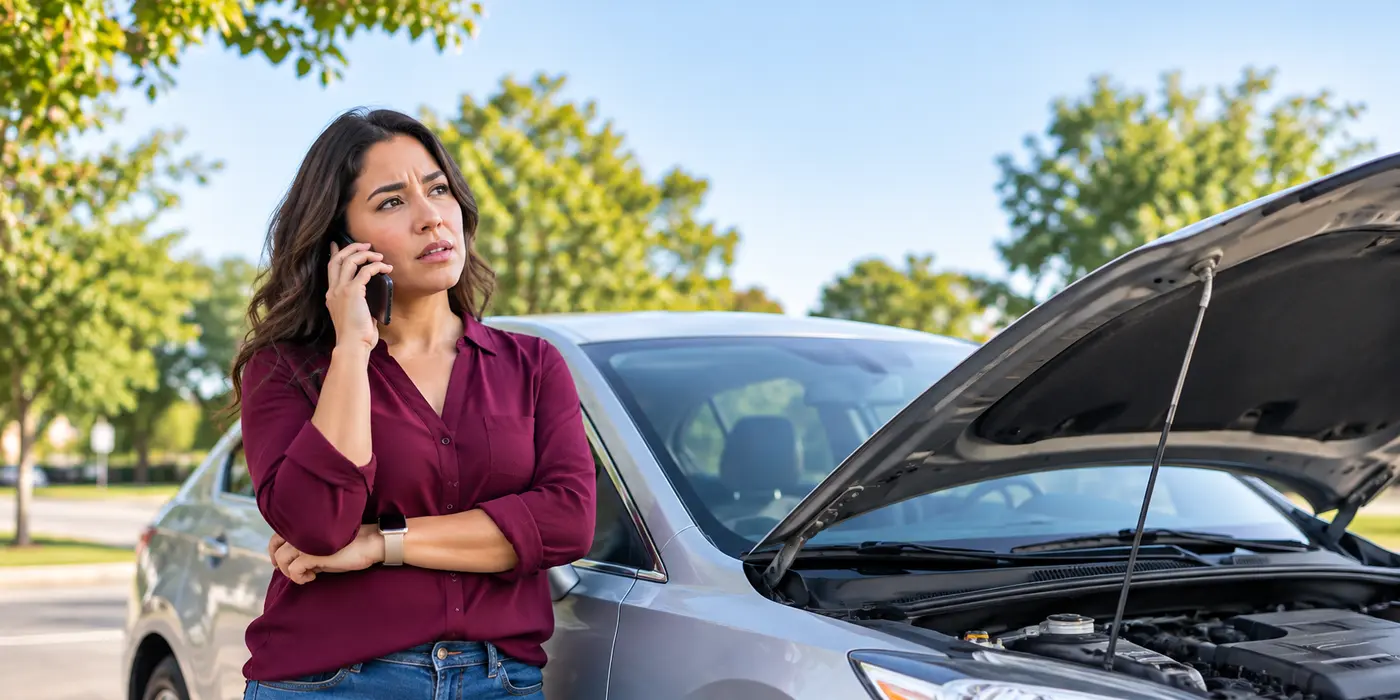
Your warning light returns after a repair, the engine stalls at a stop, or the same noise sends your vehicle back to the shop again. Those repeat trips can leave you with a stack of repair orders and no clear explanation of what has changed.
We review these repeat-defect records as lemon law claims for vehicle owners in Philadelphia, Camden, Wood-Lynne, and Millbourne. Our work starts with the symptom you reported, the repair history, and the documents showing what the dealer or repair facility wrote down at each visit.
This is worth looking at now when the same fault keeps appearing because repair orders, mileage readings, and warranty reports are easier to locate and compare while the vehicle history is still current. A missing date or an unwritten complaint can make the repair record harder to reconstruct later.
Warning lights and repeat repairs
People often call about a warning light that comes back after the vehicle was supposedly fixed, an engine that loses power or stalls, a transmission that jerks or hesitates, or a screen, camera, or electrical feature that stopped working. Others describe the problem simply as “it has been back in the shop too many times” and want us to review the repair orders behind those visits.
We also hear about rattling or grinding noises, water entering the cabin, batteries that repeatedly die, and a vehicle that will not start after prior repairs. A warning light, a noise, and a repeat shop visit can sound similar from the driveway, but the diagnosis, written complaint, repair attempt, and dates in the record may point to very different issues.
Case file review
During the first conversation, we usually establish the main symptom, the number of repair visits, whether the vehicle was purchased or leased, and which records you have available. We can discuss the basic sequence from what you remember, but the written paperwork is needed to assess the repair history closely.
We then read the purchase or lease agreement, repair orders, dates the vehicle went into and out of the shop, warranty material, and correspondence with the dealer. We check whether the concern reported by you matches the concern recorded by the service department, whether the same component or condition appears across visits, and whether the mileage and dates create a consistent timeline. When records are incomplete, we identify the documents that may need to be gathered before the file can be evaluated further.
Repair attempts and shop days
The number of repair attempts matters, especially when repair orders describe the same symptom, component, or unsuccessful correction more than once. The days your vehicle was out of service also matter because the in-and-out dates on each repair order show whether it remained at the shop between visits or returned repeatedly.
A stronger record generally has each complaint written down, even if the technician could not duplicate the problem on a particular visit. We also look at whether the fault was reported while warranty coverage was running, whether the vehicle was bought or leased, and whether the dealer, repair facility, or owner holds the complete set of records. A dashboard photo or text message may help explain the history, but the repair order is usually the document that anchors the complaint to a date and mileage reading.
Repair orders and VIN
Before calling, locate every repair order, including paperwork from visits where the shop wrote “no problem found” or could not reproduce the issue. These documents are commonly in a glove compartment, email inbox, service-app account, or folder supplied at pickup, and they should show the date, mileage, concern, diagnosis, and work performed.
Keep the purchase or lease agreement nearby along with the vehicle identification number, or VIN, from the registration, insurance card, or dashboard. Note the dates the vehicle entered and left the shop, plus the mileage at each visit, and save any emails or messages exchanged with the dealer about the defect. Call Philadelphia Lemon Law Help at (215) 833-1102 while the repair orders and shop dates can still be matched to the vehicle’s warranty history.
Next: car warranty claims, or back to the home page.